Paphos Leads the Way in Sustainable Tourism with New European Eco Itinerary Networks, Get the Details Here
Published on
November 21, 2025

Etap Paphos participated in the 3rd partner meeting of the European project MED-Routes “Promotion of Eco-Itineraries in European Cultural Routes”. The meeting took place on the 20th of November 2025 in the Athens Chamber of Commerce where European partners exchanged ideas on the further development of Sustainable Tourism in Europe. Paphos developed collaborative synergies aimed at positioning the city as a prime center of eco-tourism and cultural heritage. Paphos chose to promote cross-border synergies and the green transition.
This participation is the first of many in the network of European Sustainable Developing Goals, setting the bedrock for the emerging of eco-itineraries and cultural routes tourism. Eco routes tourism promotes responsible tourism and the development of the cultural and ecological tourism in the region.
The MED-Routes Project: A European Effort to Promote Eco-Itineraries
The MED-Routes project is a European initiative aimed at promoting eco-friendly travel routes that blend cultural heritage and sustainable tourism practices. The project emphasizes the creation of eco-itineraries—sustainable travel routes that showcase Europe’s cultural and natural beauty while minimizing the environmental impact of tourism. This initiative brings together multiple European partners, including local tourism boards, cultural organizations, and environmental agencies, to create a cohesive network of cultural and ecological tourism experiences.
One of the main goals of MED-Routes is to promote sustainable tourism through the development of routes that highlight Europe’s rich cultural heritage, natural landscapes, and traditional practices. The project’s focus is on fostering cross-border cooperation among European regions, sharing best practices, and encouraging the development of tourism that benefits local communities and preserves the environment.
During the November 20th meeting, the project’s partners presented updates on the development of two pilot eco-routes that have been designed as part of the initiative. These routes serve as models for other regions looking to develop their own sustainable tourism offerings, combining environmental conservation with cultural exploration.
Paphos’ Role in Promoting Sustainable Tourism in Europe
As an active participant in the MED-Routes project, Etap Paphos is playing a crucial role in advancing sustainable, cultural, and thematic tourism development. The tourism board’s involvement in this European initiative is part of a broader strategy to position Paphos as a leader in sustainable tourism practices. Paphos is known for its rich history, cultural landmarks, and stunning landscapes, making it an ideal candidate to promote eco-friendly and culturally immersive tourism.
Paphos’ participation in MED-Routes reflects its commitment to developing sustainable tourism experiences that align with the European Union’s green transition goals. By participating in European projects like MED-Routes, Paphos is strengthening its tourism infrastructure, ensuring that future visitors can explore the region’s cultural and natural heritage in a way that is environmentally responsible and economically beneficial to local communities.
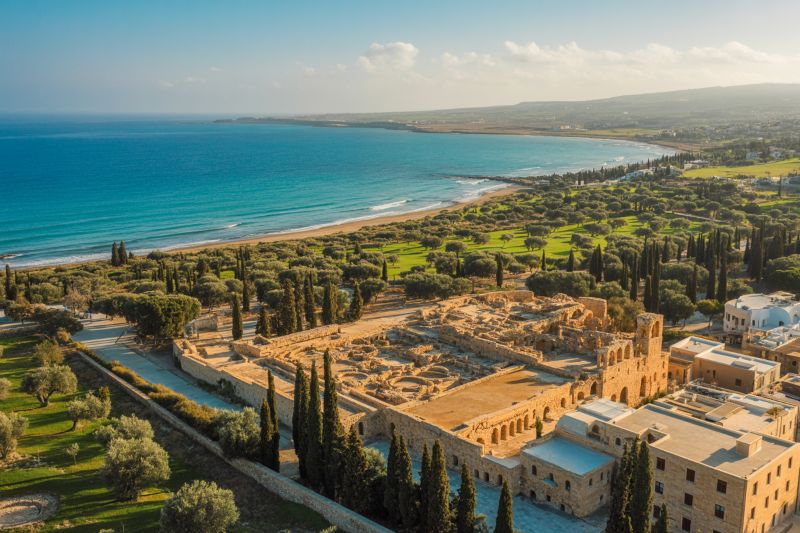
The focus on cultural and thematic tourism is an important aspect of Paphos’ strategy, as the region has a wealth of historical sites, including ancient ruins, UNESCO-listed landmarks, and traditional villages. By integrating these attractions into eco-itineraries, Paphos is offering tourists the opportunity to experience authentic local culture while minimizing the environmental impact of tourism.
Promoting Eco-Itineraries: A Sustainable Tourism Model for the Future
A key component of the MED-Routes project is the promotion of eco-itineraries, which combine sustainable travel practices with cultural exploration. These itineraries are designed to encourage slow tourism, which focuses on spending time in a destination rather than rushing through it. By taking part in eco-itineraries, tourists can explore hidden gems of the region, engage with local communities, and gain a deeper understanding of the destination’s cultural and environmental significance.
Eco-itineraries also emphasize low-impact travel options, such as walking, cycling, or using public transportation, to reduce the carbon footprint of tourism. In Paphos, for example, local tourism authorities are developing routes that lead visitors through the region’s archaeological sites, nature reserves, and traditional villages, offering an immersive experience that highlights the unique cultural heritage of the area.
This sustainable tourism model is increasingly popular with eco-conscious travelers who seek to minimize their environmental impact while exploring new destinations. It also benefits local communities, as it encourages longer stays and greater spending in off-the-beaten-path areas, helping to distribute the economic benefits of tourism more evenly.
Fostering Cross-Border Cooperation: Strengthening European Tourism Networks
The MED-Routes project is not just about promoting sustainable tourism in individual regions but also fostering cooperation between European countries to build a stronger, more integrated tourism network. By collaborating with neighboring destinations, regions like Paphos can help create seamless travel experiences for tourists, allowing them to explore multiple cultural and ecological routes across different countries.
Cross-border cooperation in tourism offers numerous benefits, including shared marketing efforts, joint events, and the exchange of knowledge and resources. It also encourages the development of integrated tourism products, such as multi-country itineraries, that allow tourists to explore a wider range of destinations within the European Union. This collaborative approach can enhance the attractiveness of European destinations as a whole and promote Europe as a leader in sustainable and cultural tourism.
Commitment to Authenticity: Paphos’ Focus on Local Engagement
One of the key elements of Paphos’ sustainable tourism strategy is its focus on authenticity and local engagement. The region is working to ensure that tourism benefits local communities and respects the cultural heritage of the area. By involving local residents and businesses in the development of eco-itineraries, Paphos is helping to create tourism experiences that are not only sustainable but also meaningful to both visitors and the local population.
Local guides, artisans, and small businesses play a vital role in these eco-itineraries, offering tourists the chance to interact with the community and learn about local traditions, crafts, and food. This focus on local engagement ensures that tourism development benefits the people who call Paphos home while providing visitors with an authentic, immersive experience.
The Future of Sustainable Tourism in Paphos and Beyond
Paphos’ participation in the MED-Routes project and its commitment to sustainable tourism practices position the region as a leader in eco-tourism within Europe. As the demand for responsible and authentic travel experiences continues to grow, destinations like Paphos are well-equipped to meet these expectations by offering eco-friendly options that highlight their cultural and natural beauty.
Looking ahead, the continued development of eco-itineraries and cross-border tourism cooperation will help Paphos strengthen its position as a top destination for sustainable travel. By focusing on the environmental, cultural, and economic benefits of tourism, Paphos is paving the way for a more responsible and sustainable future for the industry.
Paphos at the Forefront of Sustainable Tourism
Paphos elegantly combines the pillars of sustainable tourism with culture, the environment, and the community, and creates profound and purposeful travels. The MED-Routes project is a Promoting model of sustainability, serving the the future of European tourism. Paphos is a major contributor to the promotion of sustainable and responsible travel in the European tourism market as it continues to advocate for eco-friendly itineraries and cross-border collaboration.

link