Trolley Tourism Takes Over: How Local Supermarkets and Food Markets Are Shaping Travel in 2025
Published on
October 17, 2025

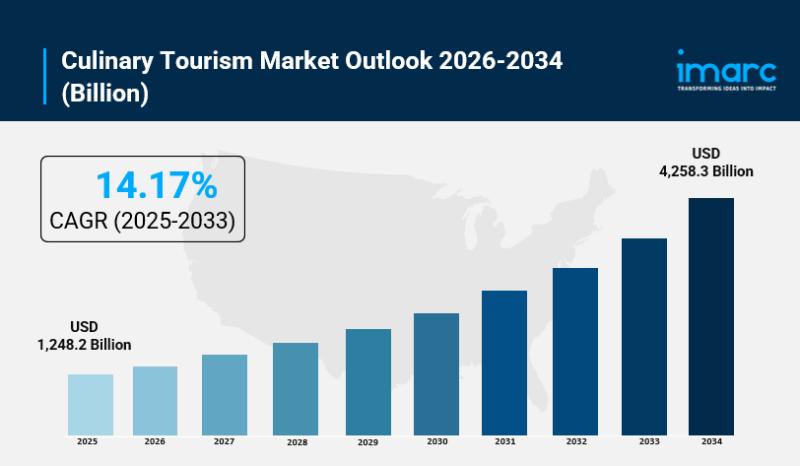
Food has always been a significant component of a destination’s allure in the travel industry. But in the years to come, it will be more than just enjoying fine dining at neighbourhood cafes or restaurants. Local supermarkets and food markets are becoming more and more popular, especially among tourists who want to learn more about the local cuisine. Food is emerging as the primary theme of travel experiences in 2025, according to a recent Booking.com study, with many tourists looking for genuine and personal experiences with local market trips and grocery shopping.
What is Trolley Tourism?
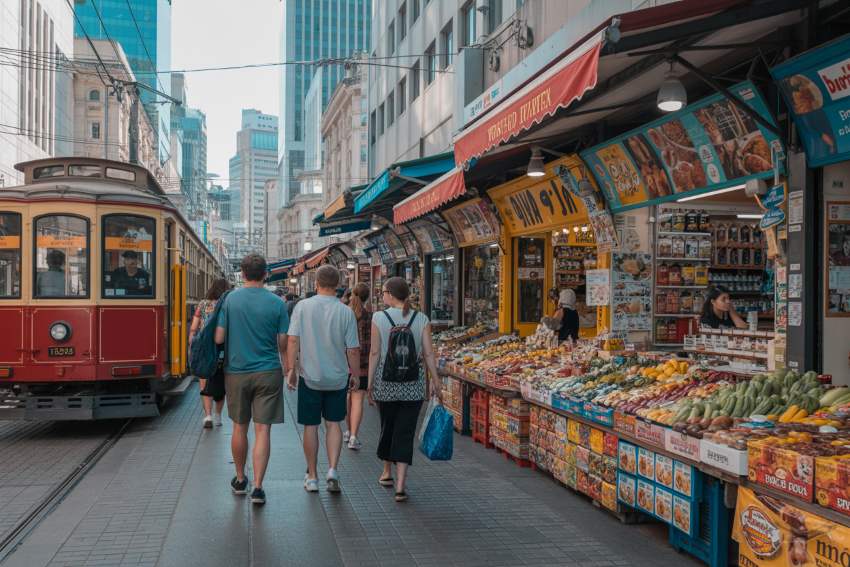
Trolley tourism, a term that has emerged in recent years, refers to the growing desire of travellers to explore local food markets and supermarkets during their holidays. This phenomenon is especially evident among Australian travellers, with 88% of respondents in a recent survey stating that they actively seek to visit supermarkets and food markets during their travels. Gone are the days when supermarkets were simply pit stops for necessary items during a trip; now, they are integral parts of the travel experience. For many travellers, these trips offer a unique opportunity to discover local ingredients, recipes, and culinary traditions in ways that restaurants and cafes simply cannot.
From Tokyo’s well-loved konbinis (convenience stores) to the bustling fish markets of Indonesia and even the cheese sections of supermarkets in France, food markets have become destinations in their own right. It’s not just about buying what’s available but also about engaging in the local food culture in a way that is often more authentic and accessible.
Food-Driven Travel: A Growing Trend Among Aussies
The rise of food-driven tourism has been particularly evident among Australian travellers. Booking.com’s survey revealed that nearly 9 in 10 (88%) Australian travellers choose their destinations based on the cuisines they are most excited to experience. For many, the draw of food is so strong that entire holidays are planned around culinary explorations, which now often include visits to supermarkets and food markets as part of the itinerary.
These supermarkets, markets, and food festivals are being integrated into the experience of exploring a new destination. Whether it’s sampling fresh local produce at a market in Italy, picking up unique items at a trendy Tokyo supermarket, or attending a food festival in Greece, these experiences are fast becoming staples of modern travel. The “portable pantry” trend, where travellers bring familiar foods from home, also plays into this desire to connect with local food cultures while adding a personal touch to their travel adventures.
The “Portable Pantry” Phenomenon: Bringing Home with You
In addition to seeking local food markets, there’s also the trend of the “portable pantry”, where travellers bring food from home to their holiday destinations. According to Booking.com’s research, 80% of Australian travellers admit to bringing food or cooking items with them when travelling. The most popular carry-on food items include Australian wine (25%), Tim Tams (24%), and even the beloved Vegemite (17%).
This trend is a testament to the growing importance of food in the travel experience. Travellers are increasingly looking to recreate the comforts of home while exploring new destinations, whether by enjoying familiar snacks or cooking with items they’ve brought along. The intersection of local food culture and personal culinary comforts is creating a unique travel dynamic that is influencing the tourism industry.
Popular Foodie Destinations for 2025 and Beyond
As food becomes a dominant factor in shaping travel decisions, it’s no surprise that certain destinations are emerging as top foodie havens for 2025. While Japan, historically a favourite destination for Australian travellers, has slipped from the top spot in recent months, Indonesia has emerged as the most popular destination for Aussie travellers in August. This marks a growing trend toward Southeast Asia, where food markets and local food experiences are at the heart of the cultural landscape.
Other popular destinations for Aussie travellers include New Zealand, the United Kingdom, the United States, Thailand, Fiji, Vietnam, Italy, China, and India. These countries boast not only rich cultural histories but also vibrant food scenes that have captivated the imagination of food-loving travellers. Italy, with its olive oil and pasta; Japan, with its sushi and ramen; and France, with its cheese and wine, remain perennial favourites among those planning food-focused trips.
The Shift in Travel Trends: From Japan to Indonesia
Despite Japan’s long-standing popularity as a top destination, recent trends show that it’s no longer leading the pack for Australian travellers. According to the Australian Bureau of Statistics, Japan ranked third in popularity among Aussie travellers for the first five months of the year but dropped to fourth in June and sixth in July. By August, it was completely absent from the top 10 countries Aussies were travelling to. Instead, Indonesia rose to the top, surpassing other countries like New Zealand, the UK, and the USA.
This shift in preferences may reflect changing travel patterns, with more Australians seeking diverse and authentic culinary experiences closer to home. Southeast Asia, with its rich food culture and proximity, has emerged as a key player in this trend.
The Impact of Food Tourism on Local Economies
The increasing focus on food-driven travel experiences is not just reshaping travelers’ itineraries; it’s also benefiting local economies. Food markets and supermarkets play an essential role in supporting small businesses, promoting local produce, and even generating employment opportunities in these regions. The growing popularity of culinary tourism also offers opportunities for farmers, food artisans, and market vendors to showcase their goods to a global audience.
Moreover, food-driven tourism promotes sustainable practices by encouraging travelers to explore local markets instead of relying solely on imported goods found in traditional tourist venues. The desire to buy fresh, seasonal produce and support local vendors is in line with the global trend toward sustainability and responsible tourism.
A New Era of Culinary Exploration
Without a doubt, food-driven tourism is a significant factor influencing how people travel in the future. Travellers’ interactions with their destinations are evolving due to the growth of “trolley tourism” and the growing desire to explore local supermarkets and food markets. Travel decisions are becoming more and more influenced by food, from bringing familiar snacks from home to purchasing fresh produce at Southeast Asian local markets. Food markets and supermarkets will likely become important destinations for the modern traveller as they pursue more immersive culinary experiences through 2025.
Destinations that provide distinctive food cultures, local markets, and culinary experiences will continue to prosper as food-driven travel gains popularity. Travellers are increasingly choosing their destinations based on what they eat, whether it’s a cheese-tasting adventure in France or a tour through the bustling markets of Indonesia.

link