Romania Made Their First Bicycle Path Built on its River Dikes Set to Boost Eco-Tourism and Flood Defense
Published on
August 26, 2025

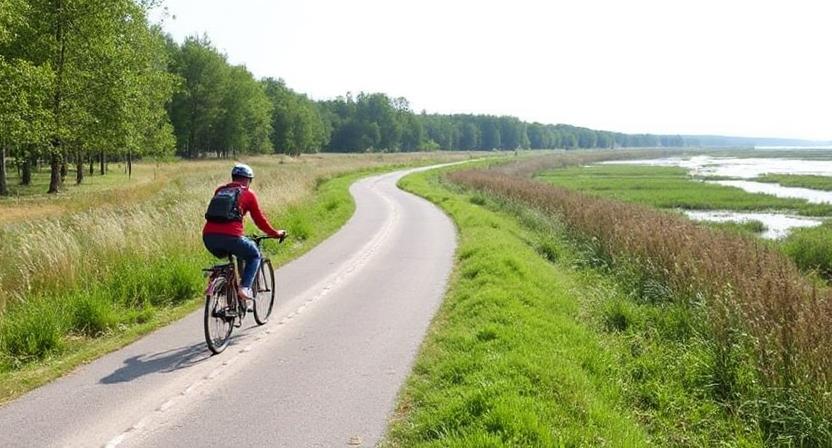
Romania with its very first bicycle path constructed on the river dikes is almost complete, with officials stating that the 192-kilometer project in Bihor County will be completed within the next three months. The project, which brings green mobility and flood defense infrastructure together, has the potential to revolutionize Romania’s cycling tourism industry while reinforcing its flood protection measures.
Stretching across five rivers—Ier, Barcău, Crișul Repede, Canalul Colector, and Crișul Negru—this high-profile venture not only offers an uninterrupted cycle path but also reinforces dike crests to offer improved flood protection. The route is being touted as part of Romania’s National Recovery and Resilience Plan (PNRR) and a significant milestone toward the encouragement of sustainable transport.
The First Completed Section: A Milestone in Romania’s Cycling Infrastructure
The first completed segment of the bicycle path spans 6.2 kilometers along the Barcău River, running between the Hungarian border and the DN19 national road. This section, which was presented to Development Minister Cseke Attila, marks a significant milestone in the project’s development. The minister praised it as the most advanced cycling initiative currently underway in the country and highlighted its early completion, which is eight months ahead of schedule.
Once completed, the full route will link various Bihor County towns with Hungary, creating connections between Salonta and Gyula, Oradea and the border, and Marghita with the Hungarian town of Pocsaj. The path will not only serve local cyclists but will also help promote cross-border tourism between Romania and Hungary, further boosting the tourism potential of these regions.
Promoting Sustainable Travel and Cross-Border Tourism
The primary goal of the bicycle path is to create a sustainable transport solution while also enhancing tourism. As cycling continues to grow in popularity as an eco-friendly mode of travel, this new route will make it easier for tourists and locals alike to explore the scenic beauty of the Bihor region. The initiative aligns with Romania’s commitment to sustainable tourism and supports its efforts to encourage green mobility and environmentally friendly travel options.
Tourism experts anticipate that the cycling route will become a major draw for both domestic and international tourists, attracting eco-conscious travelers interested in velo-tourism and active holidays. The path’s connectivity with Hungary will make it an even more attractive option for cross-border tourism, enabling visitors to cycle through both Romania and Hungary, enjoying the natural landscapes and cultural attractions along the way.
Strengthening Flood Protection and Infrastructure Development
Beyond its tourism benefits, the bicycle path also plays a critical role in flood protection. The construction of the route has involved the reinforcement of dike crests, ensuring better resilience to flooding in the region. The integration of flood defense infrastructure with the cycling path serves as a model for multi-purpose infrastructure, where environmental protection and sustainable travel go hand in hand.
Additionally, the path will provide access points for intervention teams in case of flooding, enabling quick response times during emergencies. This dual purpose—promoting tourism and protecting against natural disasters—demonstrates the holistic approach of the project, which balances economic growth with environmental sustainability.
Investment and Future Prospects
The RON 92.7 million (approximately EUR 18.6 million) investment, funded through the PNRR, reflects the government’s commitment to improving tourism infrastructure and fostering sustainable development across the country. This investment will not only improve transportation networks but also create opportunities for job creation, local business growth, and increased tourism revenue in the Bihor region.
The success of this project is expected to inspire similar developments across Romania, with more regions likely to explore cycling tourism and multi-use infrastructure to promote eco-friendly travel. As the cycling tourism market continues to grow globally, Romania’s efforts in building green mobility infrastructure place it in a strong position to attract international tourists seeking active, sustainable travel experiences.
A New Era for Sustainable Tourism in Romania
Romania’s inaugural bike route along river dykes will redefine travel in the nation, fusing sustainability with cultural discovery. The Bihor bike route represents a new paradigm for eco-tourism, preserving the environment as well as propelling tourism development. Green travel options and cross-border tourism promotion by Romania will make the country a prime destination for cycling tourism in Eastern Europe.
As the project grows, additional areas throughout Romania will probably follow suit with similar projects to support sustainable transport and take advantage of increasing international interest in eco-tourism. With emphasis on flood defense, cultural heritage, and tourist accessibility, the project expresses Romania’s dedication to sustainable development, guaranteeing a rosy future for the tourism sector and local people.

link