Mexico Riviera Maya Sets a New Standard for Eco-Tourism with the Launch of the Groundbreaking Cenote Corridor
Published on
September 15, 2025

The Mexican Secretariat of Tourism promotes “The Cenote Corridor” as the first holistic project to promote sustainable tourism aimed at the protection of this region’s jewel cenotes and natural beauty. Eco-conscious travelers will be able to visit and appreciate the beauty of the cenotes in eco-sensitive sites while the Cenote Corridor will draw the line in sustainable eco tourism. This corridor places Mexico at the forefront of eco-tourism.
Tourism authorities in Riviera Maya are preparing to launch an innovative initiative aimed at preserving the region’s natural beauty while promoting sustainable travel. This new project, called the Cenote Corridor, is designed to shine a spotlight on the many cenotes scattered across Quintana Roo and Yucatan. The Cenote Corridor is not just a tourist attraction; it is a bold step towards preserving the area’s unique natural wonders while fostering responsible travel practices.
Understanding the Cenote Corridor Concept
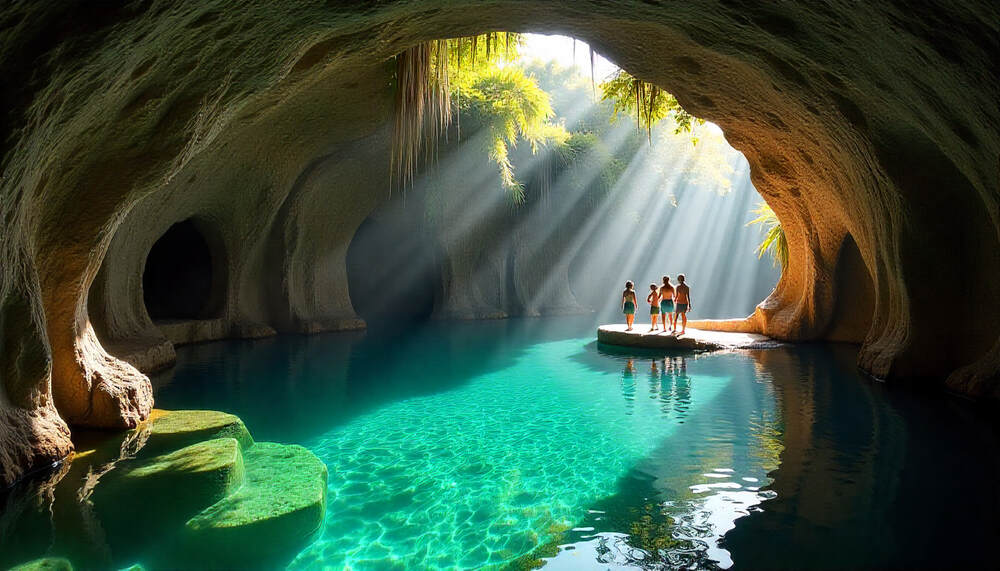
Cenotes are natural freshwater pools formed over millennia by the collapse of limestone caves, exposing the underground water to the surface. They are found throughout the Riviera Maya, Yucatan, and Quintana Roo, with each cenote offering its own unique appeal. Some are open to the sky, allowing visitors to swim in crystal-clear waters under the jungle canopy, while others are hidden deep within caves, offering a more secluded and intimate experience. These cenotes are not only visually stunning, but they also serve as vital sources of freshwater for the region and play an important role in local ecosystems.
The Cenote Corridor initiative aims to create a network of cenotes across the region that tourists can explore, encouraging sustainable and eco-friendly travel. The project is designed to highlight the importance of these natural formations, ensuring their conservation while providing tourists with an enriching and educational experience. By connecting cenotes in several key locations, the initiative aims to provide an accessible and sustainable route for visitors to explore the cultural and environmental significance of these water-filled wonders.
Cenotes Across Quintana Roo and Yucatan
The Cenote Corridor will include a diverse selection of cenotes located in some of the region’s most popular destinations, including Valladolid, Merida, Tulum, Puerto Morelos, Cozumel, Playa del Carmen, and Felipe Carrillo Puerto. Each of these locations offers its own unique set of cenotes, with various characteristics ranging from crystal-clear waters surrounded by dense jungle to those located deep underground, offering visitors a more secluded and tranquil experience.
One of the most appealing aspects of the Cenote Corridor is the way it integrates several destinations across the Yucatan Peninsula, creating an inter-destination tourism campaign. By promoting the entire region as a collective eco-tourism destination, the initiative will give travelers the opportunity to explore the cenotes of each area while minimizing their environmental impact. Rather than focusing on just one area, the corridor will allow tourists to experience a variety of cenotes spread across different regions, offering a well-rounded and environmentally-conscious travel experience.
Sustainability at the Heart of the Project
At the core of the Cenote Corridor is a commitment to sustainability and responsible tourism. The initiative emphasizes the importance of integrating environmental protection with tourism development. As tourism continues to grow in the region, it is crucial to ensure that the natural wonders that attract visitors are preserved for future generations.
The Cenote Corridor will only include cenotes that meet strict water quality standards and are managed according to sustainable practices. This is essential for ensuring that the region’s freshwater sources remain uncontaminated and protected from the effects of over-tourism. The Playa del Carmen Municipal Tourism office is working closely with the Ministry of the Environment and organizations like Urban Cenotes and Water Sentinels to ensure that each cenote featured in the corridor is managed responsibly and maintains high environmental standards.
The partnership with these environmental groups will also focus on monitoring the ecological health of the cenotes, addressing any issues related to pollution, waste management, and habitat degradation. As part of this effort, each cenote will have its own set of guidelines for visitors to follow, ensuring that tourists respect the environment and contribute to its protection.
What Makes the Cenote Corridor Different?
While there are already many cenotes in Riviera Maya that are popular tourist destinations, the Cenote Corridor will take a unique approach to tourism. The focus will be on creating an experience that goes beyond just visiting these natural pools; the goal is to educate visitors about their ecological and cultural significance. Through guided tours, interactive exhibits, and information panels, tourists will learn about the geological formation of the cenotes, their role in the local water system, and their importance to the ancient Mayan civilization, which used cenotes for religious rituals and as sources of freshwater.
Moreover, the project will emphasize responsible tourism, with a strong focus on educating visitors about how they can help preserve the cenotes and the surrounding environment. Tourists will be encouraged to adopt eco-friendly practices, such as using biodegradable sunscreen, refraining from littering, and respecting the natural habitats of local wildlife. By educating visitors about the importance of these natural formations, the Cenote Corridor hopes to inspire travelers to become active participants in conservation efforts, ensuring the long-term sustainability of the region’s cenotes.
Collaborating for a Sustainable Future
The success of the Cenote Corridor will depend on collaboration between various stakeholders, including local government agencies, tourism operators, environmental organizations, and the local community. By working together, these groups will be able to ensure that tourism remains a force for good in the region, creating economic opportunities while safeguarding the environment.
The tourism authorities are also in discussions with local communities to ensure that the benefits of this initiative are shared equitably. As the Cenote Corridor is expected to draw more visitors to the region, local businesses will benefit from increased tourism, while also having the opportunity to contribute to the conservation efforts by supporting sustainable practices.
The International Spotlight: Introducing the Cenote Corridor
The official launch of the Cenote Corridor will take place at the 2026 International Tourism Fair in Spain, where it will be presented as a groundbreaking example of how tourism can be integrated with environmental sustainability. The fair is one of the largest events in the global tourism industry, attracting thousands of professionals and travelers from around the world. By presenting the Cenote Corridor at this international event, the project aims to attract eco-conscious travelers from across the globe and position Riviera Maya as a leader in sustainable tourism.
The introduction of the Cenote Corridor at such a prestigious event is a testament to the growing interest in responsible travel. As more travelers seek out destinations that prioritize sustainability, the Cenote Corridor offers a compelling model for how tourism can contribute to environmental protection while providing visitors with a memorable and meaningful experience.
Looking to the Future
The Cenote Corridor initiative is more than just a marketing campaign; it is a commitment to ensuring the long-term preservation of one of the Riviera Maya’s most important natural assets. By promoting sustainable tourism and focusing on environmental stewardship, the project aims to create a future where both the region’s natural wonders and its communities can thrive.
As the Cenote Corridor continues to develop, it will serve as a model for other regions looking to balance tourism with conservation efforts. With continued support from local authorities, environmental groups, and the global tourism community, the Cenote Corridor has the potential to become one of the most successful and sustainable tourism initiatives in Mexico, ensuring that the cenotes of Quintana Roo and Yucatan remain protected for generations to come.

link