Lufthansa Group Connectivity Plan Brings Wi-Fi to Brussels Airlines Aircrafts

Published on
January 14, 2026
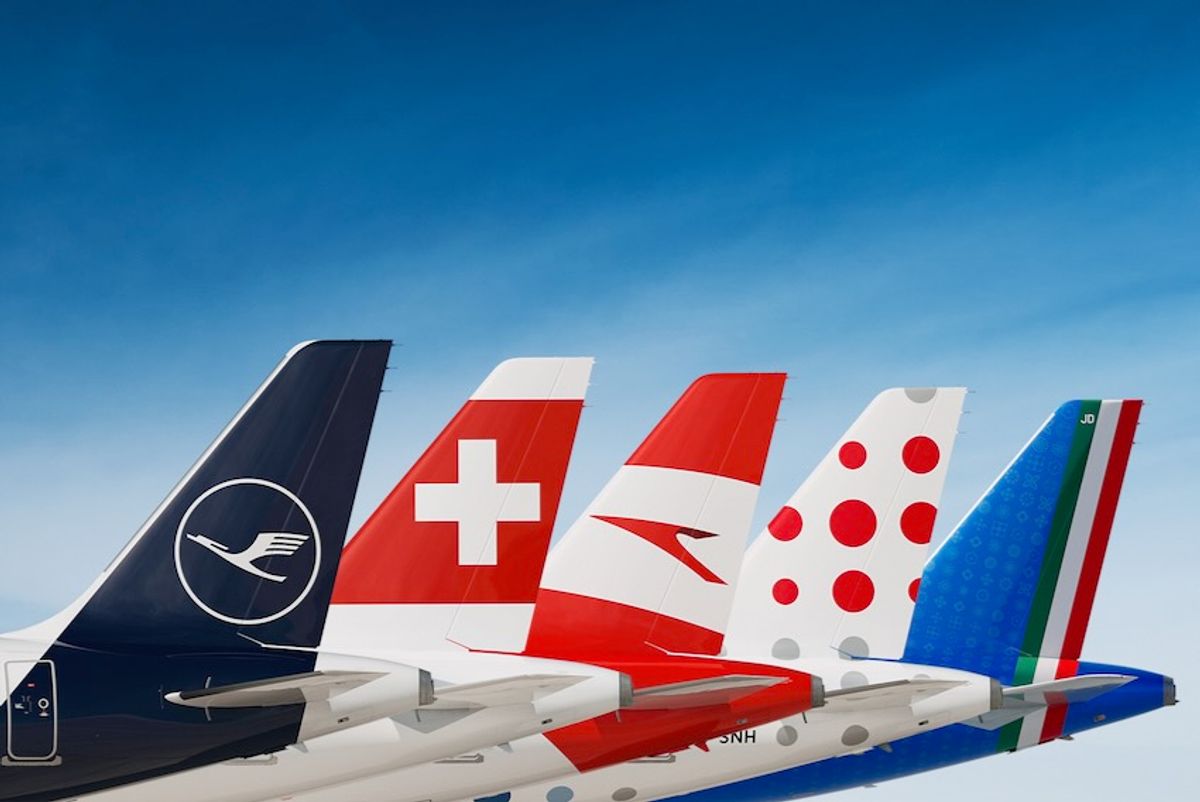
Brussels Airlines is preparing to switch on fast inflight internet across its fleet under a broader Lufthansa Group plan aimed at rolling out broadband on a large number of aircraft. The introduction is planned for 2026, starting with short-haul flights before gradually reaching long-haul operations. For travelers, the update highlights how air journeys are increasingly shaped by always-on digital habits, with onboard connectivity now fitting naturally into the travel experience rather than being treated as a special extra.
The Wi-Fi upgrade will be delivered through Starlink technology following a group-wide agreement covering approximately 850 aircraft operated by the Lufthansa Group. The system is designed to provide broadband performance comparable to ground-based internet, enabling passengers to use high-bandwidth applications while airborne. This development places connectivity alongside comfort, scheduling, and onboard services as a core component of modern air travel.
Rollout Timeline and Aircraft Coverage
Under the planned schedule, Brussels Airlines will begin equipping its Airbus A320 aircraft used on short-haul routes with the new Wi-Fi system from 2026. These aircraft typically operate high-frequency services, making them a central part of the airline’s network for regional and intra-European travel. The choice to start with short-haul planes reflects the scale of daily passenger movement on these routes and the growing expectation of uninterrupted digital access even on relatively brief flights.
Following the initial phase, the installation program will extend to the long-haul fleet. This staged approach aligns Brussels Airlines with the broader Lufthansa Group strategy, which aims to standardize connectivity across different aircraft types and route profiles. Once fully implemented, passengers across both short- and long-distance journeys will encounter a consistent onboard internet experience, regardless of travel class.
The Wi-Fi service will be made available without additional cost to status customers and Travel ID users across all cabins. This access model is intended to integrate digital services into the travel journey rather than treating connectivity as a separate, premium-priced add-on. Within the Lufthansa Group framework, this approach positions the airline group as the largest in Europe to deploy Starlink technology across its fleet.
Connectivity as Part of the Modern Travel Experience
For today’s travelers, air journeys are increasingly viewed as extensions of daily routines rather than isolated periods offline. The introduction of high-speed Wi-Fi supports this shift by allowing passengers to remain connected throughout their trip. Activities such as streaming content, accessing cloud-based tools, and staying in touch with personal or professional networks can continue while en route, reshaping how travel time is perceived.
From a tourism perspective, connectivity during flights can influence how travelers plan and experience their trips. The ability to access travel documents, manage itineraries, or explore destination-related content while airborne contributes to a smoother transition between departure and arrival. Even without introducing new services or destinations, onboard internet supports a more continuous travel narrative, where preparation and engagement do not pause at takeoff.
This development also reflects a broader trend within the aviation sector, where passenger experience enhancements increasingly focus on digital convenience. As airlines modernize fleets and onboard offerings, connectivity becomes part of the baseline expectation for many travelers, particularly those accustomed to constant access on the ground.
Travel Expectations and the Role of Seamless Journeys
As tourism continues to evolve, travelers often prioritize journeys that feel efficient and uninterrupted. In this context, inflight connectivity plays a subtle but meaningful role. When digital access is available throughout a flight, the journey itself becomes less of a break from daily life and more of a flexible space that adapts to individual needs.
For leisure travelers, this may translate into the ability to relax with familiar entertainment options or stay informed during travel days. For frequent flyers and status customers, uninterrupted connectivity aligns with expectations shaped by other parts of the travel ecosystem, such as airports and ground transportation. The presence of reliable Wi-Fi supports a sense of continuity that many modern tourists value, even when traveling across regions.
Importantly, these shifts do not rely on introducing new routes or services. Instead, they reflect how existing journeys are being reshaped through incremental improvements that respond to changing passenger behavior. In this way, connectivity becomes part of the overall tourism experience, influencing how travelers perceive comfort, efficiency, and value during air travel.
Lufthansa Group Strategy and Passenger Access
Brussels Airlines’ participation in the Starlink rollout is linked to the Lufthansa Group’s broader investment strategy, which includes fleet modernization and enhancements to premium products. By extending the same connectivity standard across multiple airlines within the group, a unified passenger experience is created, particularly for travelers who fly with different group carriers.
The scale of the program, covering around 850 aircraft, underscores the group’s commitment to integrating broadband internet as a standard feature. For travelers, this means greater predictability when choosing flights operated by group airlines, as connectivity expectations remain consistent. The decision to offer free access to selected customer segments further embeds Wi-Fi into the travel experience rather than positioning it as an optional luxury.
Within this framework, Brussels Airlines’ adoption of the system reflects alignment with group-wide priorities rather than a standalone initiative. The result is a coordinated approach to passenger experience, where digital access complements other aspects of air travel without altering the core structure of routes or operations.
Looking Ahead for Connected Air Travel
The planned introduction of high-speed Wi-Fi from 2026 signals a continued emphasis on passenger-focused enhancements within European aviation. For travelers, the value lies not only in faster internet speeds but in the normalization of connectivity as part of the journey itself. As flights become more digitally integrated, the boundary between time spent traveling and time spent connected continues to narrow.
For tourism-driven travel, this evolution supports a more fluid experience from departure to arrival. Without changing destinations or services, connectivity reshapes how travelers engage with their journeys, reinforcing the idea that modern air travel is as much about continuity as it is about transportation. In this context, Brussels Airlines’ participation in the Lufthansa Group Starlink program represents another step toward aligning inflight experiences with contemporary travel expectations.
Image Source: AI

link