Ethiopia Eases The Imports of Motorized Boat to Make a Boost its Lake Tourism, Eco-Tourism and Sustainable Development
Published on
September 14, 2025

Ethiopia’s Ministry of Finance has unveiled a thrilling new policy, waiving for one year the import duties and taxes on motorized boats as part of a drive to develop the nation’s lakes as top-rate global tourist destinations. The move aims to capitalize on the bountiful natural resources and historic landscapes of Ethiopia, making its lakes prime draws for eco-tourists and adventure tourists. This tourism strategy to boost lake-based tourism is focused on developing an environmentally friendly tourism system that attracts travelers in pursuit of sustainable, nature-oriented experiences, while also supporting local economies and communities.
How the Motorized Boat Exemption Boosts Ethiopia’s Tourism Economy
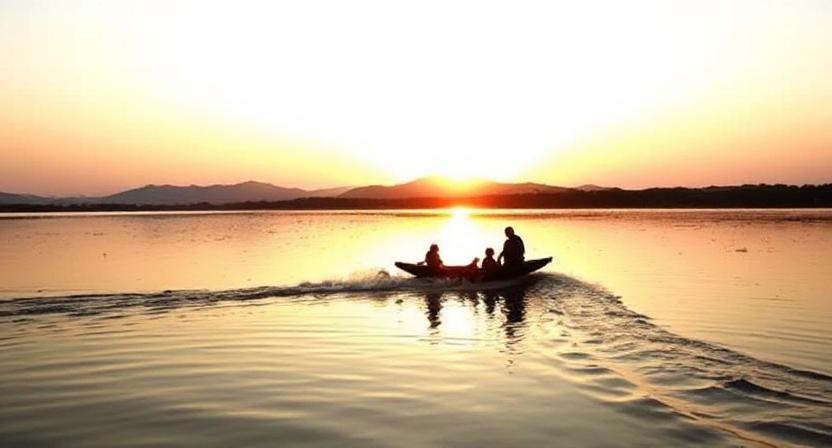
Ethiopia’s lakes—including those in the Rift Valley and volcanic regions—are natural assets that can significantly contribute to the country’s tourism growth. With the import duty and tax exemption on motorized boats, Ethiopia is incentivizing investment in water-based tourism activities, such as boat tours, fishing excursions, and water sports. The policy is expected to lower operational costs for tourism operators, making it more affordable to offer unique travel experiences on Ethiopia’s lakes, which are increasingly recognized for their beauty and diversity.
By promoting the development of tourism infrastructure around these lakes, including boating facilities, eco-lodges, and transportation links, Ethiopia is poised to attract a growing number of international visitors seeking nature-based and eco-friendly tourism experiences.
Aiming for Sustainable Growth: The Role of Eco-Tourism
The emphasis on eco-tourism is a key pillar in the future of Ethiopia’s tourism sector. The country’s commitment to developing sustainable tourism practices ensures that the growth of the tourism industry doesn’t come at the expense of its natural heritage. The motorized boat exemption supports the growth of eco-tourism, which is gaining popularity among travelers looking for authentic experiences that respect local environments.
Ethiopia’s investment in renewable energy, sustainable infrastructure, and eco-friendly tourism experiences around its lakes further enhances its potential as a leading eco-tourism destination. This will also appeal to tourists who are increasingly focused on sustainability and responsible travel options.
Tourism Potential of Ethiopia’s Lakes
With over 20 large lakes, Ethiopia is endowed with significant natural resources that can be harnessed to drive its tourism industry. Some of the country’s most well-known lakes, such as Lake Tana, Lake Awasa, and Lake Ziway, offer distinctive ecosystems and scenic beauty that appeal to nature lovers, adventure tourists, and cultural explorers.
The motorized boat exemption is expected to make these lakes more accessible and appealing to both domestic and international tourists. Whether visitors are interested in birdwatching, fishing, or simply exploring nature, the availability of affordable boats will enhance their overall travel experience and provide more opportunities to engage with Ethiopia’s natural beauty.
Enhancing Ethiopia’s Global Tourism Profile
The growth of lake-based tourism will help position Ethiopia as a leading tourism destination in East Africa and Africa at large. The motorized boat exemption is part of a broader effort to create a sustainable tourism ecosystem that attracts eco-tourists while promoting economic development. Ethiopia’s diverse tourist attractions, such as its historic sites, natural reserves, and cultural landmarks, make it an ideal destination for multidimensional tourism experiences.
By focusing on the eco-tourism and adventure tourism potential of its lakes, Ethiopia has the opportunity to increase its visibility in the global tourism market and attract more international visitors, especially those looking for sustainable and unique experiences.
The Future of Ethiopia’s Tourism Sector: A Focus on Innovation and Accessibility
Looking forward, Ethiopia’s tourism sector is expected to continue expanding, particularly with the focus on lake-based tourism and the ongoing development of tourism infrastructure. The government’s emphasis on affordable eco-tourism and responsible tourism practices will help attract eco-conscious travelers and international investment into the country’s tourism market.
With the promotion of adventure tourism, cultural tourism, and eco-tourism activities, Ethiopia is set to become a regional leader in these sectors. As the country works to enhance its tourism policies, improve accessibility to key tourist destinations, and expand international marketing efforts, Ethiopia will likely see a significant increase in tourist arrivals and tourism revenue in the coming years.
Increasing Regional and International Partnerships
The expansion of tourism infrastructure and promotion of lake-based tourism will also foster stronger regional and international partnerships. By collaborating with other East African nations, Ethiopia can position itself as part of a regional tourism circuit, encouraging multi-country tours that highlight the region’s rich cultural and natural heritage.
Ethiopia’s strategic positioning as a tourism hub in the Horn of Africa will also benefit from increasing global partnerships, especially as the country becomes more integrated into the global eco-tourism market.
A Bright Future for Ethiopia’s Tourism Sector
Ethiopia’s motorized boat exemption for lake-based tourism is an encouraging step toward converting the nation into a top eco-tourism destination. By focusing on sustainability, cultural conservation, and environmentally friendly travel, Ethiopia is poised to welcome international tourists in search of authentic, nature-oriented experiences. With investments in tourism infrastructure, renewable energy, and eco-tourism activities, Ethiopia’s tourism industry has a promising future, promoting economic development and environmental sustainability for the years to come.

link