Cox’s Bazar Airport Gains the International Status, Boosting Their Global Connectivity, Eco-Tourism and Economic Growth in Bangladesh
Published on
October 14, 2025

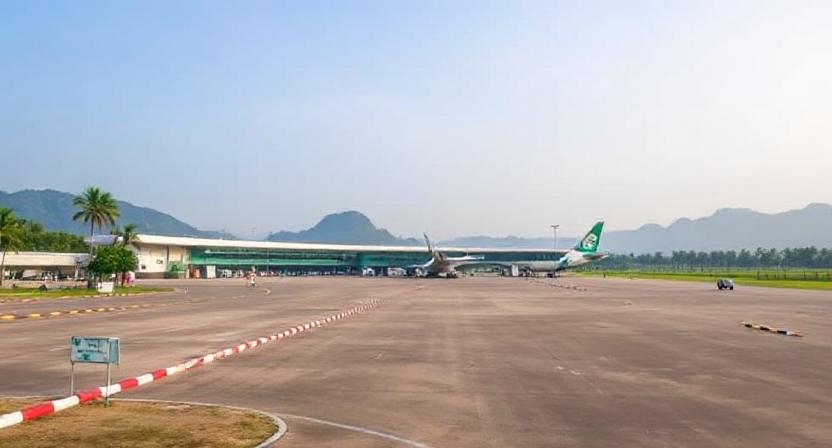
The recent announcement of Cox’s Bazar Airport as an international airport is a significant milestone for the tourism industry of Bangladesh as well as the Bangladeshi economy. This achievement is going to boost the tourism infrastructure in Bangladesh greatly and place Cox’s Bazar in a pivotal position in the international tourism market. Being the nation’s leading coastal destination, Cox’s Bazar has the potential to attract increased foreign tourists, elevating its status as an upscale tourist hub while promoting regional sustainable development.
The international stature of the airport will not just open up the city but also put Cox’s Bazar on the world tourist map as a destination of international standards, drawing in international travelers from all over the world. Direct flights, better connectivity, and upgraded tourism infrastructure will further consolidate Bangladesh’s position in the South Asian tourist trail and boost international inbound numbers.
Boosting Regional and International Connectivity
One of the most immediate impacts of the airport’s new international status is the enhanced connectivity between Cox’s Bazar and key international destinations. The launch of international flights, beginning with Biman Bangladesh Airlines’ service to Kolkata via Dhaka, will open up new travel routes for tourists, making it easier for them to access the island’s pristine beaches, cultural attractions, and eco-tourism offerings.
As direct flights to Cox’s Bazar increase, tourists from neighboring countries like India, Myanmar, Thailand, and China will find it more convenient to visit, thus significantly boosting the tourism sector. The influx of international visitors is also expected to improve regional tourism dynamics, encouraging travelers to explore other parts of Bangladesh, contributing to broader tourism development across the country.
Tourism Growth: Economic Impact on Local Businesses
The designation of Cox’s Bazar International Airport as a global gateway is expected to have a tangible economic impact on the region. Local businesses, including hotels, restaurants, transportation services, and tourist attractions, will see a boost in demand as international tourists flood the city, eager to experience the beauty of Cox’s Bazar’s beaches, natural reserves, and cultural heritage. This surge in demand will create new job opportunities, particularly in hospitality, service industries, and local crafts.
By attracting more tourists, the new international airport will provide an avenue for small businesses and local entrepreneurs to thrive. Additionally, the expanded air connectivity will provide greater opportunities for tourism-related events, including international festivals, cultural exhibitions, and sporting events, which will further contribute to economic growth in Cox’s Bazar and surrounding areas.
Promoting Sustainable Tourism in Cox’s Bazar
With its recognition as an international gateway, Cox’s Bazar is positioned to become a prime destination for eco-tourism, thanks to its pristine environment, natural beauty, and sustainable tourism initiatives. The city’s focus on preserving its beaches, marine ecosystems, and local culture makes it an ideal location for eco-conscious travelers seeking responsible travel options. The new airport will support sustainable tourism growth, encouraging visitors to enjoy low-impact activities such as nature walks, eco-lodges, and local community-based tourism programs.
The airport’s infrastructure improvements will also contribute to sustainability by providing environmentally friendly transport options and low-emission services to help reduce the carbon footprint of increased tourism. By maintaining high environmental standards, Cox’s Bazar can become a model for eco-friendly tourism in South Asia, showcasing how tourism growth can be balanced with preservation and conservation of natural resources.
Leveraging the International Status for Broader Economic Growth
In the long term, the international status of Cox’s Bazar Airport will be a catalyst for regional development. The increased number of international tourists will directly support economic growth through tourism-related industries, while also driving investments in infrastructure and public services. The airport’s expanded capacity and international connectivity will also attract businesses and investors, positioning Cox’s Bazar as a hub for both leisure and business tourism.
Additionally, the increase in foreign direct investment (FDI) into Bangladesh’s tourism sector will lead to the development of luxury resorts, boutique hotels, conference facilities, and other high-end infrastructure, attracting a diverse range of visitors. These investments will play a crucial role in sustaining long-term tourism growth and expanding the tourism economy in Cox’s Bazar.
The Role of Government Support in Promoting Tourism
The government’s efforts to develop Cox’s Bazar as an international destination are supported by various tourism initiatives that emphasize sustainable development and community engagement. The tourism levy on incoming travelers, infrastructure upgrades, and enhanced service standards will help create a seamless travel experience for visitors, while simultaneously promoting the local economy.
Additionally, government policies that promote tourism marketing, destination branding, and investor incentives will ensure that Cox’s Bazar becomes an established tourism leader in Southeast Asia. As the city grows in international stature, it will continue to attract more visitors, generating long-term revenue for both local communities and the national economy.
Cox’s Bazar’s Bright Future as a Premier Tourism Hub
Official recognition of Cox’s Bazar Airport as an international gateway is a game-altering moment for Bangladesh’s tourism industry. With the advent of international air travel, upgraded infrastructure, and wider tourism attractions, Cox’s Bazar is poised to become a world-class tourist destination for international travelers. The milestone will not only enhance domestic tourism but also give rise to a platform for sustainable growth, economic prosperity, and cultural interaction.
As tourism remains at the forefront of Bangladesh’s economic push, Cox’s Bazar will surely be at the center of South Asia’s and indeed the world’s future in tourism. Eco-tourism, luxury tourism, and cultural heritage are to be its focuses, and Cox’s Bazar is poised to become a world-class tourist destination for adventure and leisure.

link