Best Spots for Foodies in Yucatan

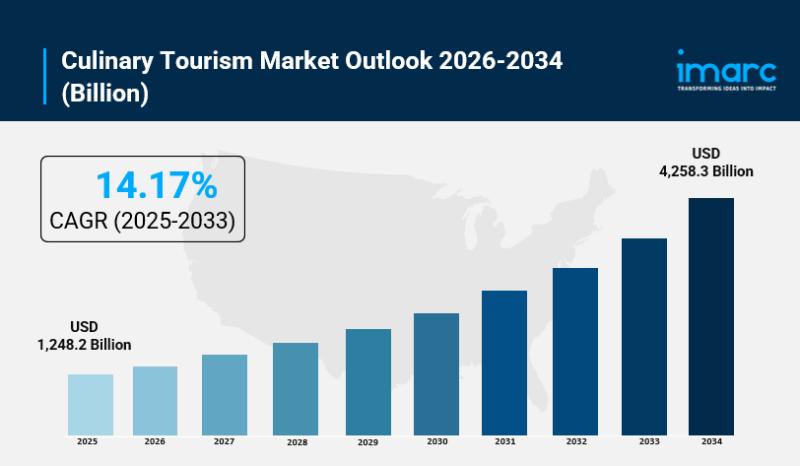
The Yucatan Peninsula, encompassing the states of Yucatan, Quintana Roo, and Campeche, is a culinary paradise that blends ancient Maya traditions with Spanish, Caribbean, and Middle Eastern influences. Its gastronomy, recognized by UNESCO as part of Mexico’s Intangible Cultural Heritage, draws foodies with dishes like cochinita pibil, sopa de lima, and fresh ceviche. Whether you’re savoring street tacos or exploring strategic games like PokerScout on the Inclave platform, Yucatan’s vibrant food scene offers unforgettable experiences. In 2024, culinary tourism in the region grew by 12%, with over 1.5 million visitors seeking authentic dining, according to Yucatan’s tourism board.
This article highlights the top spots for foodies, focusing on Merida’s fine dining, Valladolid’s street food, coastal seafood hubs, and rural culinary gems. These destinations showcase the peninsula’s diverse flavors, from traditional markets to modern restaurants, all rooted in local ingredients like achiote, habanero, and recado spices.
Merida: The Culinary Capital
Merida, Yucatan’s capital with a population exceeding 1 million, is the epicenter of the region’s food culture. Founded in 1542, the city’s historic center is home to restaurants that elevate Yucatecan cuisine while preserving its roots.
Hacienda Teya, located 10 kilometers east of Merida, is a restored 17th-century hacienda turned restaurant. It serves classics like poc chuc (grilled pork with citrus marinade) and panuchos (tortillas stuffed with refried beans and topped with shredded turkey). The hacienda sources ingredients from local farms, ensuring authenticity. Its signature dish, cochinita pibil, is slow-roasted underground for eight hours, following Maya traditions. Over 100,000 diners visited in 2024, per local tourism data. The venue also offers cooking classes, teaching techniques for recado negro and tamales.
Mercado Lucas de Gálvez, Merida’s largest market, spans 15,000 square meters and houses over 2,000 vendors. Here, foodies can sample salbutes (fried tortillas with toppings), relleno negro (turkey stew with charred chili paste), and fresh tamarind agua fresca. The market operates daily, with peak hours from 7 AM to 1 PM, and is a hub for local produce like xcatic chiles and sour oranges. For a deeper dive into Merida’s markets, check out this guide.
Apoala, a fine-dining spot on Parque Santa Lucía, modernizes Yucatecan cuisine with dishes like duck in mole negro and ceviche with recado verde. Its menu incorporates edible flowers and local herbs, reflecting the region’s biodiversity. The restaurant’s open-air patio and live music draw crowds, with reservations recommended during Merida’s January festival season.
Valladolid: Street Food Haven
Valladolid, a Pueblo Mágico 160 kilometers east of Merida, is a hotspot for affordable, authentic street food. Its compact size and proximity to cenotes make it a perfect stop for foodies exploring the peninsula.
Mercado Municipal is the heart of Valladolid’s culinary scene. Open daily from 6 AM, it features stalls serving longaniza de Valladolid, a smoky sausage grilled with onions, and lomitos de Valladolid, a pork and tomato stew. Vendors use recipes passed down for generations, with over 50% of ingredients sourced within 20 kilometers, according to local surveys. The market’s tamales, wrapped in banana leaves, are a must-try, costing around 20 pesos each.
La Casona de Valladolid, a colonial-style restaurant near the main square, offers a buffet of Yucatecan staples like papadzules (tortillas filled with boiled eggs and pumpkin seed sauce). Its courtyard, adorned with local art, seats up to 200 and is popular for Sunday brunch. The restaurant sources chaya, a nutrient-rich leaf, from nearby farms for smoothies and soups.
Coastal Seafood Destinations
Yucatan’s Gulf coast delivers fresh seafood, with fishing communities supplying markets and restaurants daily. In 2024, coastal tourism accounted for 30% of Yucatan’s visitors, many drawn by seafood specialties.
Progreso, 30 kilometers north of Merida, is a port town with a 6-kilometer pier and bustling beachfront eateries. Crabster is a standout, serving shrimp tacos, octopus ceviche, and pescado frito (fried whole fish) caught within 10 kilometers of the coast. The restaurant’s open-air design and sea views enhance the experience. Progreso’s fishermen supply over 5,000 tons of seafood annually, per state records, ensuring freshness.
Celestún, 90 kilometers west of Merida, is a fishing village within the Celestún Biosphere Reserve. Restaurante La Palapa specializes in pulpo en su tinta (octopus in squid ink) and shrimp empanadas. Its beachfront location allows diners to watch flamingos while enjoying dishes made with locally harvested sea salt. The restaurant supports conservation efforts, donating 5% of profits to the reserve, which protects over 400 bird species.
For sustainable dining tips along the coast, visit the Yucatan Tourism website, which details eco-friendly restaurants and tours.
Rural Culinary Gems
Yucatan’s rural areas offer immersive food experiences, often tied to Maya traditions and farm-to-table practices.
Yaxunah, a Maya village 20 kilometers south of Chichen Itza, runs a community kitchen called Parador Turístico Yaxunah. Visitors can participate in preparing cochinita pibil in a pib (underground oven), using achiote paste made on-site. The kitchen serves groups of up to 50, with menus including sikil p’ak (pumpkin seed dip) and hand-ground corn tortillas. In 2024, the project trained 30 local women in culinary arts, boosting tourism by 20%, according to community reports.
Maní, 90 kilometers south of Merida, is home to El Príncipe Tutul-Xiu, a family-run restaurant since 1973. It serves poc chuc and sopa de lima, using citrus from local orchards. The restaurant’s wood-fired grills add a smoky depth to dishes, and its garden seating accommodates 100 guests. Maní’s culinary heritage earned it a spot in Mexico’s 2010 Gastronomic Heritage list.
Practical Tips for Foodies
Yucatan’s culinary scene is accessible year-round, with most spots open daily. Merida’s restaurants often require reservations during peak seasons (December-March). Street markets accept cash, with dishes averaging 15-50 pesos. Coastal and rural areas may have limited card payment options, so carry pesos. For health safety, choose vendors with high foot traffic to ensure fresh ingredients. Cooking classes, like those at Hacienda Teya or Yaxunah, cost 500-1,000 pesos and require booking via platforms like Yucatan Travel.
In summary, Yucatan’s food scene spans vibrant markets, coastal eateries, and rural kitchens, each showcasing the peninsula’s rich culinary heritage. With over 500 traditional recipes documented by local historians, foodies can explore a diverse palette of flavors rooted in centuries-old traditions.


This story is presented in partnership with the company mentioned. Yucatán Studio helps brands reach customers with creativity and quality content. Contact the editors to learn more.
link