Andaman And Nicobar Introduce World-Class Eco-Tourism Resorts On Aves Island And Neil Island Highlighting Pristine Landscapes And Sustainable Travel Opportunities
Published on
August 19, 2025

New eco-tourism developments in the Andaman and Nicobar Islands are set to transform Neil Island and Aves Island into premier nature-based destinations, offering travelers an immersive experience in untouched landscapes while promoting sustainable growth. By opening previously restricted areas and introducing eco-friendly resorts, the initiative balances tourism expansion with environmental conservation, creates local employment, and strengthens the islands’ position as a global hub for responsible travel.
The Andaman and Nicobar Islands are on the brink of a transformative eco-tourism boom as major hospitality companies prepare to invest in sustainable resort development across the archipelago. This ambitious initiative aims to introduce tourism to four carefully selected sites—Neil Island, Long Island, Smith Island, and the previously uninhabited Aves Island—marking a new chapter in the region’s tourism narrative. The project will follow a public-private partnership (PPP) model, ensuring that development goes hand in hand with environmental preservation.
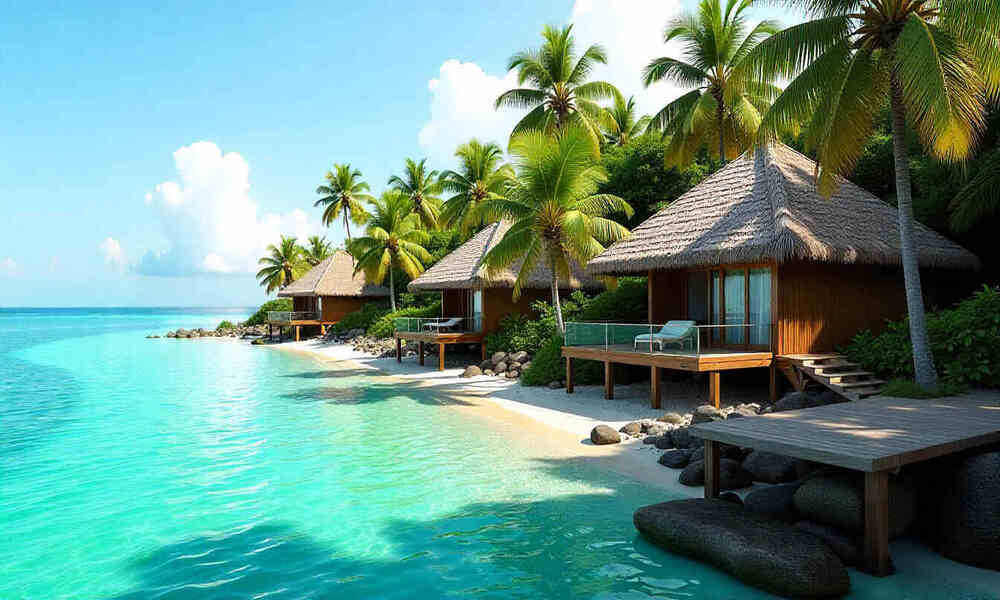
Aves Island, long regarded as a hidden gem with pristine coconut groves and unspoiled landscapes, is poised to emerge as a centerpiece of this initiative. Situated near Mayabunder town, the island boasts coral beds, a two-kilometer coastline, and landscapes ideal for camping and nature-centric activities. Authorities anticipate that Aves Island, now opening its doors to tourists for the first time, could achieve popularity comparable to the famed Havelock Island. Its natural appeal, coupled with carefully designed eco-friendly resorts, is expected to attract travelers seeking an immersive and sustainable experience.
The development plan is being managed by the Andaman & Nicobar Islands Integrated Development Corporation Ltd (ANIIDCO), which issued bids on July 28 for resorts to be built under a design, build, finance, operate, and transfer (DBFOT) model. In addition to introducing new resorts, the administration intends to revamp the government-operated Megapode Resort in Port Blair, enhancing existing infrastructure and providing visitors with modern, sustainable amenities. Together, these initiatives reflect a broader vision of positioning the islands as a global hub for eco-friendly tourism.
Interest from leading hotel groups has been encouraging. A pre-bid virtual session held in mid-August brought together multiple hospitality brands, including renowned international and domestic operators, to discuss project details and timelines. Investor concerns were addressed, and the framework for development was outlined to align with sustainable and environmentally responsible practices. These discussions have reinforced transparency and created opportunities for private partners to contribute ideas that uphold the islands’ ecological integrity while enhancing tourism experiences.
To further facilitate informed investment, site visits are scheduled for early September. Prospective investors will have the opportunity to experience each location firsthand, evaluate the terrain, and understand the environmental measures required for sustainable development. The resorts are being designed with careful attention to local ecosystems, ensuring minimal disruption to flora and fauna while integrating natural elements into resort layouts. This approach underscores the administration’s commitment to balancing economic growth with ecological conservation.
Focusing specifically on Aves Island, the proposed development is projected to involve an investment of nearly INR 36 crore. The resort will span approximately 2.75 hectares of leased land and include around 50 rooms, strategically designed to provide an intimate connection with the island’s environment. Beyond tourism, the project is expected to generate significant employment opportunities for local communities and stimulate the regional economy, while preserving the island’s natural charm.
The broader plan for Neil, Long, and Smith Islands similarly emphasizes eco-conscious designs and low-impact tourism. Each site will feature accommodations and activities tailored to attract visitors who prioritize sustainability, outdoor exploration, and cultural engagement. From guided nature walks to marine experiences like snorkeling and coral observation, the resorts aim to deliver a high-quality eco-tourism experience that fosters appreciation for the islands’ biodiversity.
By adopting a PPP model, the administration seeks to leverage private sector expertise, innovation, and funding while maintaining strict oversight to prevent environmental degradation. The final bidding for the new resorts is scheduled for mid-September, setting the stage for rapid development while upholding rigorous standards for sustainability and environmental stewardship.
This strategic expansion of eco-tourism is expected to redefine the Andaman and Nicobar Islands’ position on the global tourism map. With new resorts opening in previously untouched locations, visitors can anticipate unique experiences that merge luxury with ecological responsibility. As these projects come to fruition, the islands are poised to attract travelers seeking authentic natural beauty, sustainable travel options, and unforgettable experiences, all while supporting local communities and protecting delicate ecosystems.
The integration of new eco-resorts and upgraded facilities represents not just an economic opportunity, but a commitment to preserving the Andaman and Nicobar Islands’ natural heritage for generations of travelers to come.

link