10 months after Lebanon war, culinary tours aim to help local eateries
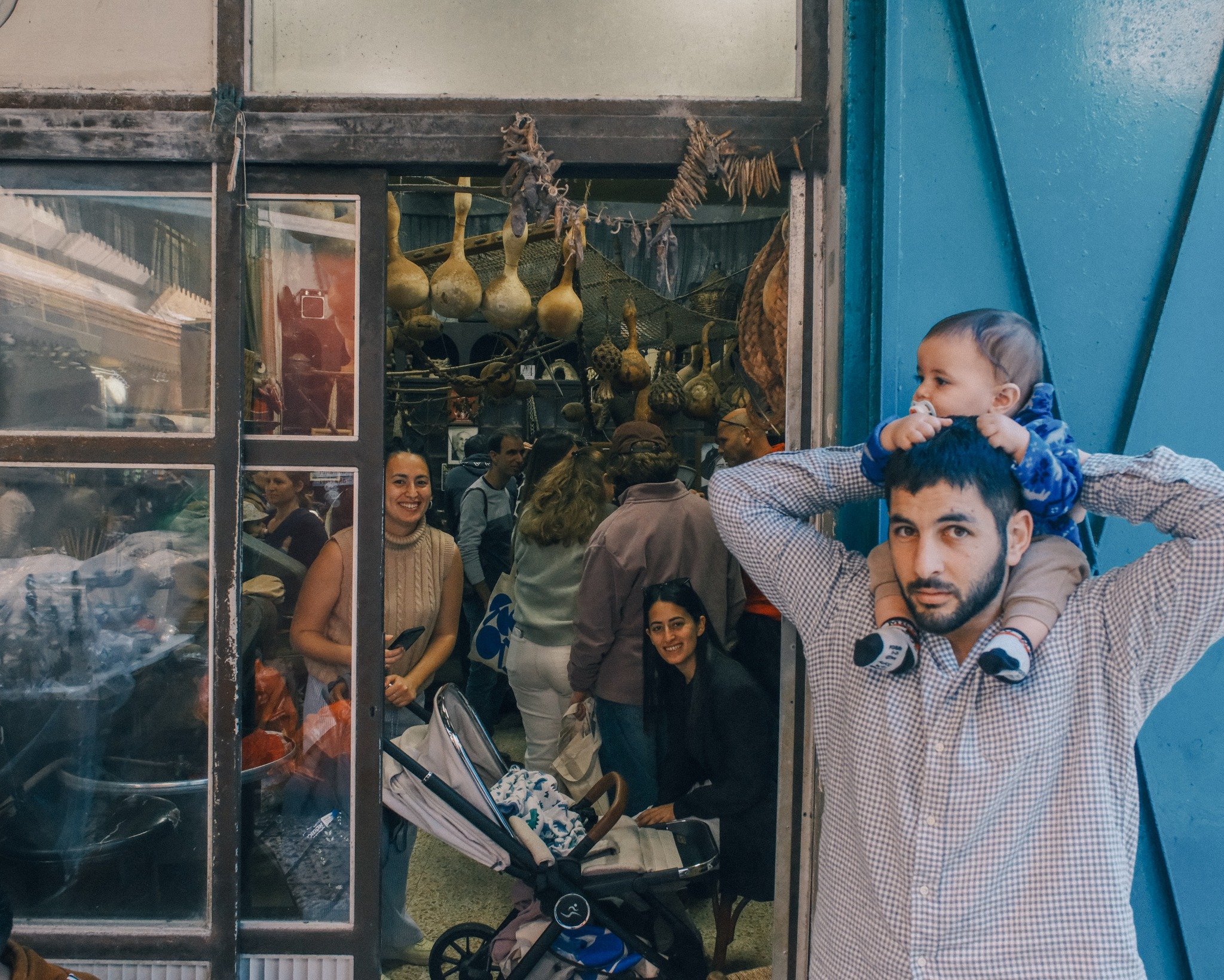
Nearly 10 months after the ceasefire between Israel and Hezbollah, a new set of culinary tours is aiming to give a shot in the arm to restaurants in Israel’s north that are still struggling with the fallout of the war.
The program, launched in June by the Tel Aviv-based Asif Culinary Institute of Israel, takes participants across northern Israel’s gastronomic landscape to a mix of restaurants, bakeries and shops. The tours bring groups to a region that has lost nearly a quarter of its food businesses following the 13-month conflict with the Lebanese terror group.
“We saw that the ecosystem in the north had suffered because of the war with Hezbollah,” said Chico Menashe, Asif’s CEO. “We knew that these kinds of tours were a good vehicle for creating meaningful, inspiring, educational visits. So we moved our resources northward.”
This is the latest in a series of endeavors by the nonprofit Asif stemming from the Hamas-led October 7, 2023, attack. Over the past two years, it has cooked for soldiers and evacuees, hosted displaced Israelis in its own kitchens, and offered guided culinary tours for reservists and their families.
Now, it aims to address ongoing challenges in the north where, during the year-plus after Hezbollah began attacking Israel on October 8, 2023, more than half of the restaurants closed for a lengthy period. Some 23 percent have shut their doors permanently, and more than 178,000 food-related businesses in the north are in a financial bind, according to Asif’s figures.
Tzafona (Northward), as it’s called, offers nearly a dozen different tours open to the general public on Fridays and to private companies and their staff on weekdays.
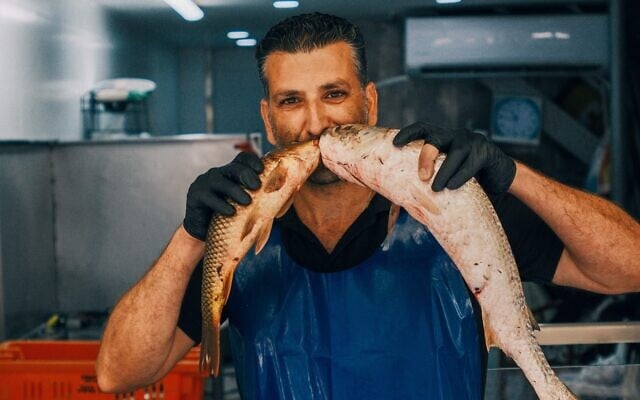
A stop on an Asif culinary tour of northern Israel in 2025. (Courtesy)
The program brings together larger and smaller culinary businesses, with in-depth dips into the foodie destinations of the area. Stops are made at historic bakeries and distilleries, spice stores, and home chefs, many of which include telling the stories of the local communities.
The tours take visitors to the bakeries and produce markets of Haifa’s Wadi Nisnas neighborhood; the Acre market and Haifa’s Talpiot shuk; the coffeehouses of Bat Galim near the water; and the cafes and restaurants of Haifa’s Lower City.
Other locations include Bethlehem of the Galilee, with its Templar architecture and olive oil presses; Tiberias, where participants are served fresh fish served with a shot of arak; Druze villages of the Golan Heights, which offer a knafe workshop and tastings of Hermon honey; and Safed, with local cheeses and fresh fruit shakes.
Most of the tours are kosher, albeit without certification.
“It’s a big challenge to get people to go north,” said Menashe. “To make people drive two or three hours from the center of the country — that’s a schlep.”
Asif has organized 130 tours since June, with 2,500 people visiting 30 locations, and 615 northern businesses visited in total.
Menashe is hoping that firms planning a day of team bonding will opt for a northern food tour, rather than laser tag or paintball.
Menashe said the tours have been a great boon for the small businesses they’re trying to help, as visitors generally open their wallets, buying goods and products at each stop.
“They need it, because it will take time until the tourists are back, including Israeli tourists,” he said.
Asif’s Northward recently gained a new partner, Raya Strauss’s Spirit of the Galilee nonprofit, along with several other nonprofits.
Individuals can sign up for four different tours each Friday, which may include transportation from the country’s center. Companies and businesses can book tours for Monday through Thursday.

link