Michelin Guide Expands to Boston and Philadelphia, Signaling a New Era for Dining Tourism


Dining has become more than just a meal—it’s now a magnet for year-round tourism and economic development. With the recent announcement that Boston and Philadelphia will be the latest cities to join the MICHELIN Guide Northeast Cities edition, the dining world is witnessing both a symbolic return to legacy rankings and a strategic investment in culinary prestige. The inclusion of these two historic and food-forward cities speaks volumes about how global travel, community identity, and economic momentum are increasingly centered around the dining table.
“The local passion, talent and camaraderie in both Boston and Philadelphia is evident in their restaurant communities,” Gwendal Poullennec, International Director of the MICHELIN Guides said. “The anonymous Inspectors look forward to spotlighting their unique experiences in both cities.”
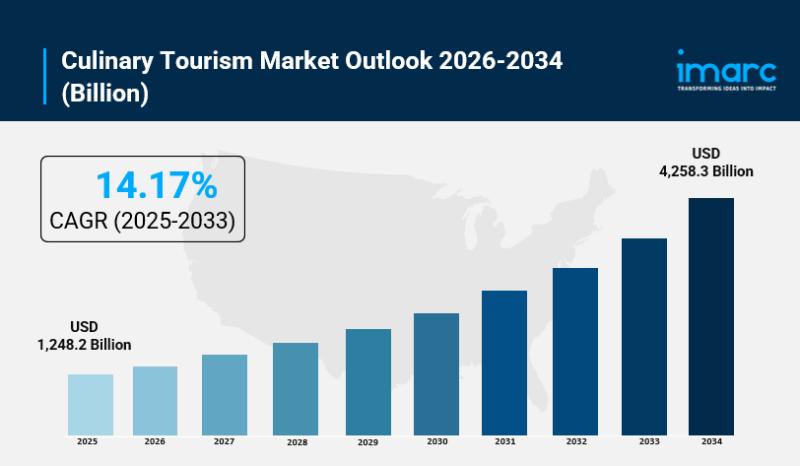
What sets this announcement apart is not just the addition of two new markets, but what it represents: the transformation of cities into 365-day tourist destinations fueled by culinary excellence. For decades, restaurant culture has served as a heartbeat of local communities. But over time, especially post-pandemic, it’s become clear that food is also a primary driver of destination appeal. Michelin’s return to these cities is a nod to the evolving role of dining as tourism infrastructure.
Martha J. Sheridan, President & CEO of Meet Boston, noted, “Long known for distinguished and unparalleled farm-to-table and sea-to-table cuisine, Boston now boasts an expanded portfolio of epicurean excellence. We invite all to see and try for themselves how Greater Boston’s contemporary culinary culture has evolved.”
The evolution of restaurant rankings tracks with shifts in how we travel, search, and experience food. Zagat once ruled the early ’90s and 2000s with a democratic scoring system that turned diners into critics. Then the Internet blew the gates open. Yelp and Google Reviews dominated the 2010s, ushering in the age of crowdsourced, often inconsistent reviews. Now, the pendulum is swinging back toward expert-based assessments. Consumers are craving authority, credibility, and consistency—qualities the MICHELIN Guide delivers with its anonymous inspection process and transparent standards.
“Our chefs, restaurateurs, and hospitality professionals have been steadily building our city into an internationally acclaimed foodie destination,” said Gregg Caren, President and CEO of the Philadelphia Convention and Visitors Bureau. “This announcement that the MICHELIN Red Guide will be exploring the Philadelphia region to experience our restaurants is an acknowledgement of years of hard work, collaboration, and extraordinary culinary innovation.”
For restaurateurs, the MICHELIN Guide is more than a badge of honor—it’s a business accelerator. A single star can bring global attention. Two can change a career. Three can transform a city. But to get there, restaurants must understand the game. The first step is consistency. Inspectors don’t announce themselves. They dine repeatedly, judging excellence based on five universal criteria: quality of the products, mastery of flavor and cooking techniques, the personality of the chef in the cuisine, value for money, and consistency between visits.
To develop a strategy for becoming part of the MICHELIN-ranked community, foodservice operators must start by refining their story and executing their identity at every level—kitchen, service, and ambiance. There’s no checklist for a star, but the best operators build with intent. They invest in talent, embrace sustainability, and create an experience that transcends the plate. Training, team retention, and sourcing matter. So does design, storytelling, and authenticity. Every moment, from amuse-bouche to dessert, must reflect thoughtful craftsmanship.
“Inspectors look for character and consistency,” Poullennec detailed. “They’re not swayed by hype or trends. They’re guided solely by what’s on the plate and how it’s delivered.”
Tourism boards have taken note. Cities that invest in culinary tourism are now reaping tangible benefits. Atlanta, for example, saw a measurable uptick in visitor spending after its MICHELIN debut. In the case of Boston and Philadelphia, these rankings serve not only as a tourism tool but as a signal to investors, media, and international travelers. High-spend tourists seek out MICHELIN-starred cities. They stay longer, book more, and contribute to broader economic impact across hotels, transportation, and local shops.
“Michelin brings unprecedented prestige and recognition to a destination, creating new opportunities for talent recruitment and retention,” Sheridan outlined. “It’s also a powerful differentiator in travel decisions.”
Restaurants benefit from this halo effect, but so do distributors and suppliers. As demand rises for premium ingredients and high-touch service, so too does the need for partners who can meet elevated standards. Local economies expand. Jobs are created. A vibrant restaurant scene feeds a city’s brand and attracts a new wave of travelers.
“There is a ripple effect,” Caren continued. “Dining becomes part of the city’s identity. It’s not just about a meal—it’s about what that meal says about who we are and how we welcome the world.”
The MICHELIN Guide doesn’t just hand out stars. It tells the world that a city is worth visiting, again and again, 365 days a year. For Boston and Philadelphia, this moment marks a culmination of decades of grit, ambition, and flavor. And it’s only the beginning.
Other U.S. cities have made strategic investments to bring the MICHELIN Guide to their communities. In Texas, six tourism boards collectively paid $2.7 million over three years to secure Michelin’s presence across Austin, Dallas, Houston, and San Antonio. The Atlanta Convention and Visitors Bureau paid $1 million for a three-year deal, resulting in the city’s first-ever MICHELIN stars. Florida, Toronto, and Colorado have also joined the club, with cities like Denver, Boulder, and Miami Beach contributing to funding agreements. These investments are not just about prestige—they’re about unlocking tourism dollars, attracting culinary talent, and amplifying global visibility through food.
For restaurateurs and foodservice operators eager to join the MICHELIN conversation, the next move is strategic outreach. Michelin maintains editorial independence, but they do work with tourism bureaus and offer partnership opportunities through promotional activities and guide distribution. To explore how to incorporate the MICHELIN name into your restaurant’s marketing strategy—or to better understand the inspection criteria—operators can reach out directly to the MICHELIN Guide’s North American team through their official website or via local tourism board connections.
“The Guide is about excellence,” Poullennec concluded. “But it’s also about community. We’re proud to highlight the cities that commit to both.”
link